(813) 774-3341
  4504 N Armenia Ave Tampa, FL 33603

Tampa Traumatic Brain Injury Lawyer
If you’ve been injured in an accident due to someone else’s negligence, you have rights. Traumatic Brain Injury can cause life-long adverse effects on your life. Causes of brain injury are incredibly varied, often due to negligence, such as vehicle accidents, slip, fall accidents, assault, medical malpractice, etc. Additionally, every person will react very differently to this type of injury due to variables like age, gender, and the initial state of health.
But the unanimous result in most cases is a long and expensive recovery process. Many people struggle to cover the medical costs associated with Traumatic Brain Injury. You deserve the opportunity to seek compensation from those responsible for negligent acts to cover medical bills, lost wages, and future care costs. So, what is Traumatic Brain Injury, and how can you recover damages? We’ve got answers to many of your questions here.
What is a Traumatic Brain Injury?
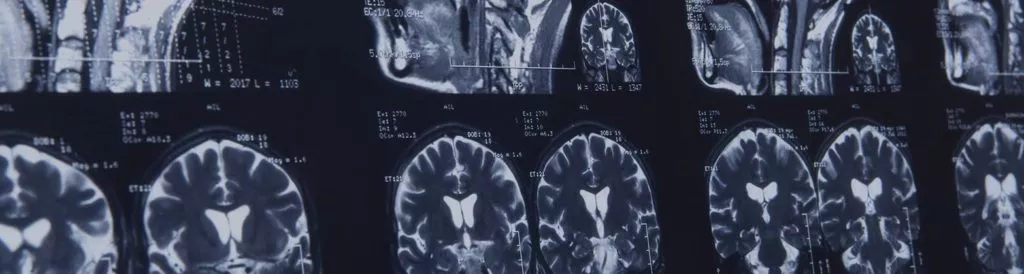
A forceful blow to the head causes traumatic Brain Injury (TBI). It can result from blunt force (such as hitting the head on the ground) or penetrating trauma (such as a bullet). The strength of the impact can cause the brain to shift and collide with the skull’s inside, causing bruising, bleeding, and swelling. It is common for a victim to have a fractured skull with TBI; however, it does not always fracture.
TBI is one of the most common injuries in the United States. In 2014 alone, there were 2.87 million cases of traumatic brain injury, according to the CDC. Of these cases, TBI was a contributing factor to 56,800 deaths. In Florida, that same year, TBI contributed to 3,852 deaths.
The severity of a Traumatic Brain Injury is measured by what is called the Glascow Coma Scale. Most cases of TBI are mild cases, such as with a concussion. However, more severe cases are a major contributing factor to Post-Traumatic Stress Disorder (PTSD), disabilities, and death. Two of the most common causes of TBI-related deaths are unintentional falls and motor vehicle accidents.
I Was in an Accident in Florida, but Didn’t Receive Medical Care. What are the Symptoms of Traumatic Brain Injury?
After an accident, the stress of the event can numb us to trauma. It’s possible for trauma symptoms not to begin to appear for days, weeks, or even months. Signs of TBI can include:
- Memory/Concentration – Foggy feeling or difficulty concentrating; Unable to think or react as quickly as you did before; Difficulty recalling new information, and more.
- Physical – Headache; Blurred vision; Dizziness or nausea; New sensitivity to light or noise; Problems with maintaining balance; Fatigue and low energy; Slowed reactions; Inability to control muscle movements; Slowed or slurred speech, and more.
- Emotional/Behavioral – Irritability or frustration; Sadness or depression; Inability to control emotions; Nervousness or anxiety; Worsening of emotional and mental disorders; Lack of impulse control, and more.
- Sleep – Significant changes to sleeping habits, either much more or much less; Insomnia and difficulty falling asleep; Narcolepsy; Sleep apnea, and more.
You may not have noticed some of these symptoms after the accident, thinking it was just stress from recovering. However, with time, the symptoms become more apparent, which can cause more stress.
If you were involved in an accident, and now you’re not feeling quite right, you need to immediately seek medical care. The Florida Brain and Spinal Cord Injury Program (BSCIP) can provide resources to help TBI patients recover and lead more productive lives.
How Can I Prove Negligence Contributed to Traumatic Brain Injury in Florida?
In Florida, proving negligence requires an attorney to demonstrate the following elements:
- Duty of Care – This is the legal obligation for a person or company to exercise reasonable diligence to avoid injuring others. For example, a driver must act responsibly when driving. Similarly, a store owner must maintain walkways free of hazards to prevent people from slipping and falling.
- Breach of Duty – This is proving the person abandoned the duty of care by acting irresponsibly. For example, a driver is speeding, or the store owner failed to mop up a spill in the aisle.
- Causation – This element is how the attorney proves that the breach of duty caused another injury. For example, the speeding driver ran a red light and caused an accident, or the store owner failed to mop up the spill, and someone slips, falls and hits their head on a shelf.
- Damages – The final element must prove that the injury leads to a significant loss for the victim. Damages can be economic or non-economic. Economic damages include medical expenses, lost wages, or damages to property. Non-economic losses include pain and suffering, loss of enjoyment of life, and emotional distress.
What are the Costs Associated with Traumatic Brain Injuries?
Depending on the severity of the TBI, a victim may have life-long medical complications and expenses. Some of the most common costs associated with almost every level of TBI are:
- Medical expenses such as immediate care
- Rehabilitation and physical therapy sessions
- Tests, treatments, and services
- Multiple surgeries and hospitalizations
- Medications, ambulatory devices, and other medical supplies
For mild brain injuries, the cost for care is estimated to be around $85,000, while severe injuries with life-long effects can top well over $3 million. However, these costs do not include loss of income, emotional distress, and many other traumas that come with such a debilitating injury.
How Much Compensation Can I Seek for a Traumatic Brain Injury in Florida?
The amount of compensation you are entitled to from a negligent Traumatic Brain Injury claim depends on many different factors. After proving negligence, you may be awarded compensation for medical expenses, lost wages, property damage, disability, disfigurement, and more. Suppose the failure of the liable party was intentional or particularly egregious. In that case, you may also be awarded punitive damages, which is an amount added on as a punishment to the liable party.
You will need an expert Traumatic Brain Injury attorney to help you with your case. While many personal injury attorneys avoid brain injury cases due to a lack of scientific understanding and the subtleties of the physical injuries involved (making them difficult to prove), Darrigo & Diaz Personal Injury Attorneys is committed to representing these patients with our high level of expertise and experience in brain injury cases.
Our Tampa brain injury lawyers possess both the current educational background and resources to overcome the serious obstacles present in complex brain injury cases. Not to mention our utmost standard of personal and compassionate service that offers victims an immediate support system.
What Should I Look for in a Traumatic Brain Injury Attorney in Tampa?
Traumatic Brain Injury cases are incredibly complex. They often require the testimony of highly-qualified medical experts, meticulous planning, and flawless evidence. To help you determine if an attorney is qualified to handle your TBI case, ask about the following factors:
- Experience – TBI cases are difficult to prove due to their highly-complex and scientific nature. It is vital to choose a Traumatic Brain Injury attorney who understands the medical evidence and can present the information to people who are not medical professionals.
- Resources – An expert Traumatic Brain Injury attorney must have the resources to thoroughly investigate your case by hiring medical experts, interpret medical data, and transform complex information into visual presentations.
- Diligence and dedication to your case – You need an experienced Traumatic Brain Injury attorney who only represents plaintiffs on your side. If the attorney plays for both teams, the service quality is likely to decline since they’re likely in it for the money and not to fight for you.
- Results – The TBI attorney you choose should have a proven track record of successfully arguing Traumatic Brain Injury cases. In your case, the defendants will likely include insurance companies or other large corporations, and you need an attorney that doesn’t back down.
How Darrigo & Diaz Personal Injury Attorneys Can Help You Win a Traumatic Brain Injury Case
If you or someone you love has suffered a traumatic brain injury through no fault of your own, you deserve to be compensated. How can Darrigo & Diaz Personal Injury Attorneys help? Consider the following:
- We have been serving injured victims in Tampa, FL since 1999
- A Board Certified Civil Trial Specialist leads our team
- We’re members of the Multi-Million Dollar Advocates Forum®
- Our Tampa injury lawyers are available to clients 24/7
- We work on a contingency fee basis – no recovery, no fee
Take the First Step Today – Call Our Firm for a Free Consultation
If you or someone you love has experienced a brain injury due to the negligence of another, please call Darrigo & Diaz Personal Injury Attorneys today at (813) 774-3341 to set up a complimentary consultation over the phone with a brain injury lawyer in Tampa.